


Views: 0 Author: Site Editor Publish Time: 2026-06-11 Origin: Site


Organizations and individual users often discover too late that thermal paper is not a permanent medium. Many businesses rely on these prints daily. Unfortunately, fading tax receipts create massive headaches. Retailers often find blank rolls expired in warehouses before they even open them. Misunderstanding longevity creates serious compliance risks. It also drives unnecessary wasted spend.
This guide demystifies the chemical realities behind thermal printing. We break down longevity into three critical dimensions. You will explore unprinted shelf life, printed image retention, and physical roll yield.
Based on material science principles, we provide a skeptical, evidence-backed framework. We analyzed real-world failure modes thoroughly. You can now confidently evaluate your exact durability requirements before procurement.
The "Longevity" Split: "How long it lasts" depends on whether you mean unprinted shelf life (typically 3–5 years), printed image retention (weeks to 10+ years), or usage yield (how fast a roll is consumed).
The Core Technology Rule: Direct Thermal (DT) relies on chemical reactions and is inherently temporary; Thermal Transfer (TT) uses melted resin/wax and is permanent.
The Top Fading Culprits: Heat, UV exposure, and common chemicals (like hand sanitizers and PVC plasticizers in plastic folders) will destroy standard thermal prints within days.
Selection Logic: Over-specifying paper grades wastes money for short-term retail, while under-specifying creates disastrous data-loss risks for compliance and medical labeling.
Buyers often ask how long thermal media lasts. This simple question requires a multi-part answer. We must establish exactly what metric you need to solve for before buying bulk media. Thermal paper features three distinct lifespans.
Standard blank thermal paper rolls degrade over time. The chemical coating remains highly sensitive even inside the packaging. If you keep them in ideal conditions, they remain viable for 3 to 5 years. Ideal conditions mean dark storage spaces. Keep temperatures below 25°C. Maintain a relative humidity between 40% and 60%. Rolls stored in hot, damp warehouses will yellow. They will lose their sensitivity before they ever reach a printer.
This metric measures how long text remains legible before the chemical coating reverts. Post-print retention varies wildly. Economy paper often fades completely within 6 months. Archival grade media can hold an image for 10 years. It depends entirely on the chemical top-coating and your storage environment. Fading is not a printing error. It is a predictable chemical reaction.
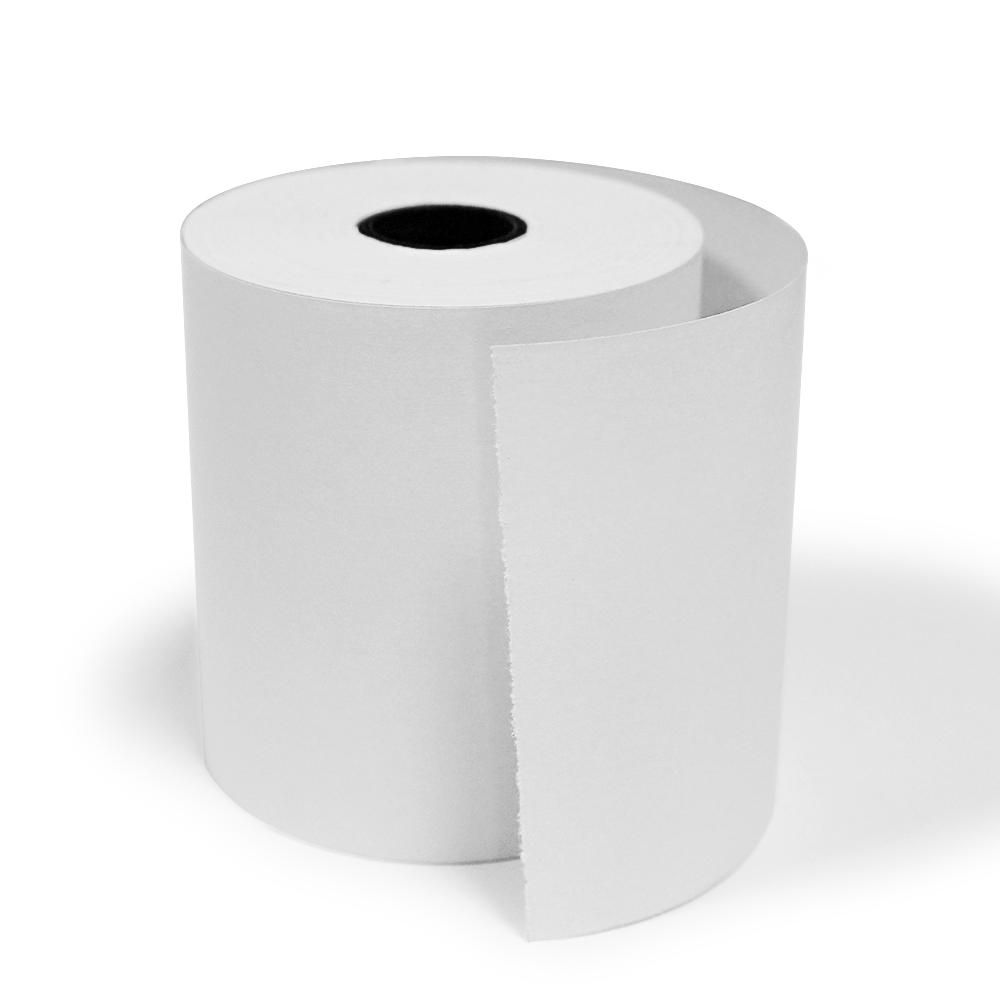
This lifespan measures how fast you will consume the physical product. Understanding yield prevents over-ordering. For example, a standard 3 1/8 thermal paper roll (80mm x 80mm) yields roughly 800–900 standard 10cm receipts. A busy cafe will consume one roll per day. A low-volume office may use one per month. Calculate your daily print volume to optimize your inventory cycles.
Choosing the right print method before buying bulk media solves many business problems. People often confuse the two primary thermal technologies. They serve completely different operational goals.
Direct Thermal relies on targeted heat. The printhead activates leuco dyes embedded in the paper’s coating. You do not need ink, toner, or ribbons. This simplicity makes DT extremely cost-effective. However, this technology faces strict durability limits. Prints remain highly vulnerable to environmental factors. Direct Thermal is ideal for logistics, retail receipts, and temporary price tags. You should never use it for permanent records.
Thermal Transfer takes a different approach. A heated printhead melts ink from a ribbon onto a substrate. These ribbons use wax, wax-resin, or pure resin. This melted ink bonds physically with the surface. TT durability limits easily exceed 8–15+ years. This method requires matching specific ribbons to synthetic media. You must use TT for permanent asset tracking. It is also mandatory for hazardous material labeling.
Feature | Direct Thermal (DT) | Thermal Transfer (TT) |
|---|---|---|
Mechanism | Heat activates paper coating | Heat melts ribbon onto media |
Consumables Needed | Paper only | Paper/Labels + Ink Ribbon |
Average Image Life | 6 months to 10 years | 8 to 15+ years |
Best Use Cases | Receipts, shipping labels, tickets | Asset tags, outdoor labels, medical vials |
Addressing real-world failure modes prevents catastrophic data loss. Even the best paper fails if you handle it improperly. These five factors rapidly destroy standard thermal prints.
Heat & UV Radiation: Prolonged exposure to sunlight breaks down the leuco dye molecular structure. High ambient temperatures cause the same issue. The paper will turn uniformly grey or black. Never leave receipts on a car dashboard.
Chemical Exposure: The chemical coating reacts violently to common liquids. Alcohols, solvents, and cleaning agents dissolve the coating instantly. A single drop of hand sanitizer will erase printed text right before your eyes.
Plasticizers (The Storage Trap): Many businesses file thermal prints in standard PVC plastic sleeves. This is a massive mistake. The plasticizers in PVC wallets cause a chemical reaction. The text smears and destroys itself completely within weeks. Store important prints in acid-free paper envelopes.
Friction & Abrasion: Standard thermal coating remains physically fragile. Repeated rubbing in pockets or files degrades legibility. The friction essentially scratches off the microscopic dye layer.
The "Lamination" Mistake: People often attempt to preserve thermal paper through hot lamination. The heat from the laminator instantly activates the entire dye layer. Your document will turn into a solid black sheet. Cold lamination (adhesive overlay) is the only viable physical protection method.
Guiding buyers to short-list the right material prevents overpaying. You must align your paper grade with your required retention timeline.
Many businesses only need temporary records. Fast food operations, retail receipts, and standard shipping labels fall here. You should choose economy non-top-coated thermal paper. It provides excellent cost-efficiency. Rapid degradation is perfectly acceptable for these applications. You save money without sacrificing operational speed.
Accounting records, warranties, and pharmacy labels require medium-term retention. Economy paper will fail here. You must deploy top-coated long shelf life thermal paper. Manufacturers add an extra protective layer during production. This top-coat provides a barrier against moisture, oils, and mild friction. It protects the leuco dye from everyday handling.
Medical records, legal evidence, and long-term asset tags mandate absolute permanence. You have two options here. You can source archival-grade thermal paper compliant with ISO 1831 testing standards. You must then store it in strict acid-free environments. Alternatively, you should migrate entirely to Thermal Transfer technology. TT eliminates the fading risk entirely.
Timeline Requirement | Recommended Material | Key Protection Features |
|---|---|---|
0–6 Months | Economy Non-Top-Coated | None (Cost-optimized) |
1–5 Years | Standard Top-Coated | Moisture and mild friction barrier |
7–10+ Years | Archival Grade (ISO 1831) / TT | Advanced chemical shielding / Permanent ink |
Ensuring the supply chain delivers reliable product quality protects your operations. Finding a durable thermal paper supplier requires looking beyond the basic price tag. You must evaluate their technical transparency and shipping standards.
A reliable supplier should provide comprehensive technical data. Never buy blind. Ask for specification sheets detailing expected image life. Check their recommended ideal storage conditions. The spec sheet must define exact temperature and humidity ranges. If a vendor cannot produce these documents, find another partner.
Do not assume all paper includes protective layers. Ask the supplier to confirm whether the paper is non-top-coated or top-coated. Unscrupulous vendors sometimes sell economy non-top-coated paper at premium prices. Verify the protective barrier exists before signing bulk contracts.
How the product ships dictates its remaining shelf life. Look for suppliers who package rolls meticulously. They should use dark, UV-resistant shrink wrap. Some premium vendors use foil-lined boxes. These methods protect the unprinted shelf life during transit and warehousing. Poorly packaged rolls degrade while sitting on delivery trucks.
Understanding thermal print degradation saves money and protects critical data. Fading is not random; it follows strict chemical rules. Audit your current printed records immediately. If vital business receipts from a year ago are currently illegible, your procurement team is under-specifying the paper grade.
You must determine your required retention timeline first. Verify your exact printer type and its capabilities. Finally, source top-coated or archival options for mission-critical documentation. Stop wasting budget on premium grades for short-term retail, and stop risking compliance with economy paper in medical settings.
A: No. Hot laminators use heat to seal the plastic, which will activate the chemicals in the paper and turn the entire document black. You must use pressure-sensitive cold lamination (adhesive clear overlays) if you wish to protect the print physically.
A: Standard thermal paper is decidedly not archival. However, specific premium grades engineered with advanced top-coatings are rated as "archival," offering 7 to 10 years of legibility under strict storage conditions.
A: Assuming a standard 3 1/8 inch (80x80mm) roll contains roughly 230–295 feet of paper, and an average receipt length is 3 to 4 inches, you can expect approximately 800 to 900 receipts per roll.


